





Field Practicum Unit

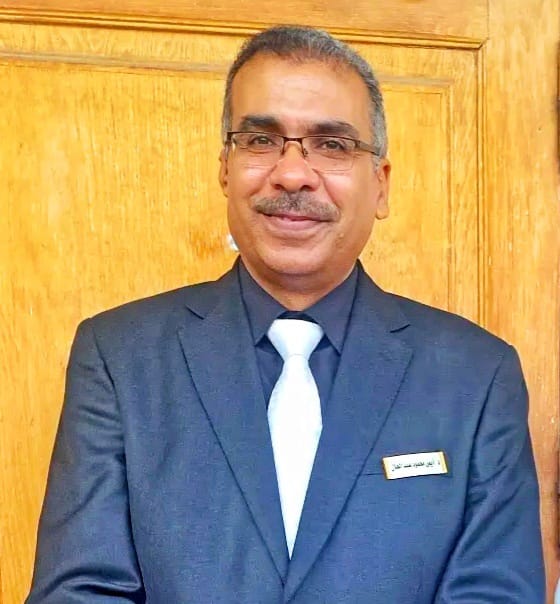
Massage from the Unit Director

Field practicum is the cornerstone of social work. Students apply everything they have learned during their years of study to practical work. This is achieved through numerous institutions affiliated with various ministries, including the Ministry of Youth and Sports through youth centers; the Ministry of Social Solidarity through social solidarity units, institutions, and civil society organizations; the Ministry of Health through hospitals and health centers; and the Ministry of Education through schools in various educational departments. These students then acquire numerous professional skills that qualify them to become distinguished social workers in the labor market.

Read more
Image

About Unit

Unit Vision

Towards an effective training environment to prepare distinguished social workers capable of competing in the national and international labor market.

Unit Mission

To plan, implement, develop, and evaluate the field training system in light of quality standards, to prepare distinguished social workers capable of competing in the local and regional labor market. The unit also aims to enhance the level of academic supervisors of field training by engaging them in training courses tailored to their specific training needs. The unit also strengthens its relationship with community institutions and contributes to the study of some societal problems through field training students.

Field Practicum Unit Responsibilities

  • Updating the electronic field-training program, making it available on the faculty's server, adding numerous features, and adopting it as a training program for both supervisors and students.
  • Announcing field training plans for all areas of field training, as well as guidelines for using the electronic program for both students and supervisors.
  • Holding personal interviews with students at 32 field training institutions (15 institutions for the third year and 17 institutions for the fourth year), before opening student registration.
  • Opening electronic registration for fourth-year students for a week.
  • Opening electronic registration for third-year students for a week after the end of the fourth-year registration period.
  • Opening electronic registration for third- and fourth-year students who had failed to register for a week.
  • Creating an electronic link for field training petitions for third- and fourth-year students to address student registration issues at institutions. All student issues were resolved based on the available institutions.
  • Activating the training page on Facebook, making it a media page for all training-related events, and publishing student efforts at their institutions throughout the academic year to motivate students and supervisors. Student issues will be addressed electronically to avoid overcrowding in the faculty.
  • Opening several new institutions and preparing a detailed database of field training institutions in the governorates of Cairo, Giza, and Qalyubia.
  • Hiring (293) faculty supervisors, comprising (124) internal supervisors and (169) external supervisors.
  • Daily presence of members of the Field Training Unit to overcome all difficulties facing students and supervisors, in cooperation with the faculty administration.
  • Activating warnings in accordance with the faculty regulations throughout the year, with the following: (First warning: 10% absence rate, Second warning: 15% absence rate, Third warning (final): 15% absence rate. In 2022-2023, 533 third-year students and 322 fourth-year students who received a third warning were prevented from taking the final oral exam.
  • Holding several periodic meetings with academic supervisors (internal supervision, external supervision) to discuss matters related to the training process.
  • Holding several periodic meetings with members of the Field Training Unit.
  • Creating groups on WhatsApp and Telegram to coordinate and follow up with the Field Training Unit and supervisors (one group for each academic department), through which all instructions and directives related to field training and work developments are communicated.
  • Following up on the implementation of the training camp for fourth-year students within training institutions during the second semester.
  • Activating the evaluation icon for field training students in the electronic program (for supervisor evaluation - institution evaluation) to improve the training process.
  • Preparing a new training financial regulation in accordance with the directives of His Excellency the faculty Vice Dean, which is currently undergoing approval.
  • Preparing electronic forms for aggregated grades and the oral exam, and printing them from the program with all student data and grades, to prevent any problems that previously occurred.
  • Holding the final oral exams for the academic year for third- and fourth-year students.
  • Holding an oral exam for students who were absent from the final oral exam.
  • Scheduling a test for students who scored 100 or more without attending the final oral exam, and withholding their results until they pass the oral exam, following the faculty Council's decision.
  • Students are evaluated according to the text of the regulation and its details as follows: Grade distribution. Several papers are used to evaluate the training record, attendance commitment, the student's relationship with his/her colleagues and supervisors, and the student's achievement at the field training institution.

Board of Directors

 Field Training Unit Formation for the Academic Year 2024/2025

Position

Name

Dean of the college

Prof. Zaghloul Abbas Hassanein

Vice Dean for Education and Student Affairs

Prof. Wagdy Mohamed Barakat

Director of the Field Training Unit

Assoc. Prof. Ayman Mahmoud Abdel-Aal

Postgraduate Studies Officer

Dr. Abdullah Khawas

Deputy Director of the Unit

Dr. Maha Alaa El-Din Mostafa

Department of Work with Individuals and Families

Head of the Department

AL. Shaimaa Said Yehia

Member of the Department

TA. Farouk El-Sayed Hassan

Member of the Department

TA. Mayar Adel Mohamed

Member of the Department

TA. Mohamed Abd ElFatah Youssef

Department of Group Work

Head of the Department

AL. Aya Samir El-Desouky

Member of the Department

TA. Eman Sami Abdelkader

Member of the Department

TA. Hagar Mahmoud Abdelkader

Department of Community and Organizations Work

Head of the Department

AL. Abdullah Mohamed Abdullah

Member of the Department

AL. Sara Mohamed Abdelsalam

Member of the Department

TA. Shahinaz Tarek Salama

Department of Social Planning

Head of the Department

AL. Gamal Saad Hamed

Member of the Department

TA. Mariam Ehab Fathy

Member of the Department

TA. Israa Abdel Latif Mohamed

Department of Social Work Fields

Head of the Department

AL. Eman Abdelrazek

Member of the Department

TA. Sara Sherif Mahmoud

Member of the Department

TA. Heba Massoud Kamel

Unit Plan

Unit Plan

Field Training Unit Plan

  • General Objectives of Field Training

The field training aims to support students in translating theoretical knowledge into practical, professional applications by:

  1. Equipping students with technical field practice skills, such as:
    • Building professional relationships with client systems.
    • Program planning and design.
    • Utilizing community resources.
  2. Developing problem-solving and program management skills, including:
    • Analytical thinking.
    • Program development, follow-up, and evaluation.
  3. Enhancing recording and documentation skills, such as:
    • Recording individual interviews and group meetings.
    • Completing institutional forms and reports.
  4. Strengthening communication and intervention skills:
    • Observation, interviewing, group discussion, role-playing, simulation, and leadership (e.g., leading group sessions).
  5. Instilling professional values and ethical behavior in line with social work standards.
  6. Promoting professional work habits, including:
    • Proper appearance.
    • Time management.
    • Respect for clients.
    • Openness to supervision and constructive feedback.
  7. Teaching scientific research methods:
    • Identifying problems, designing data collection tools, analyzing and utilizing findings in practice.
  8. Fostering teamwork and interdisciplinary collaboration skills.
  • Intended Learning Outcomes

1. Knowledge and Understanding

  • Recognize the significance, nature, and theoretical foundations of field training.
  • Understand the training field: its characteristics, policies, legislation, and client systems.
  • Become familiar with the agency's structure: objectives, regulations, units, professionals, services, procedures, and clientele.

2. Intellectual Skills

  • Analyze and interpret social problems using theories from social and human sciences.
  • Integrate social, psychological, economic, and political dimensions in assessing issues.
  • Prioritize client needs and choose appropriate interventions.

3. Professional Skills

  • Establish effective professional relationships.
  • Conduct interviews and case sessions.
  • Design and evaluate intervention plans.
  • Develop and implement research tools relevant to practice.
  • Participate in planning and evaluating programs.
  • Apply social work values and ethics consistently.
  • Document cases and write professional reports.
  • Organize and facilitate meetings, workshops, and community-based events.
  • Advocate for clients' rights and mobilize resources.

4. General and Transferable Skills

  • Demonstrate effective verbal and non-verbal communication.
  • Build social relationships and manage time efficiently.
  • Handle personal stress and crises.
  • Engage in community problem-solving and voluntary work.
  • Lead discussions and dialogues effectively.
  • Use modern technology in professional practice.

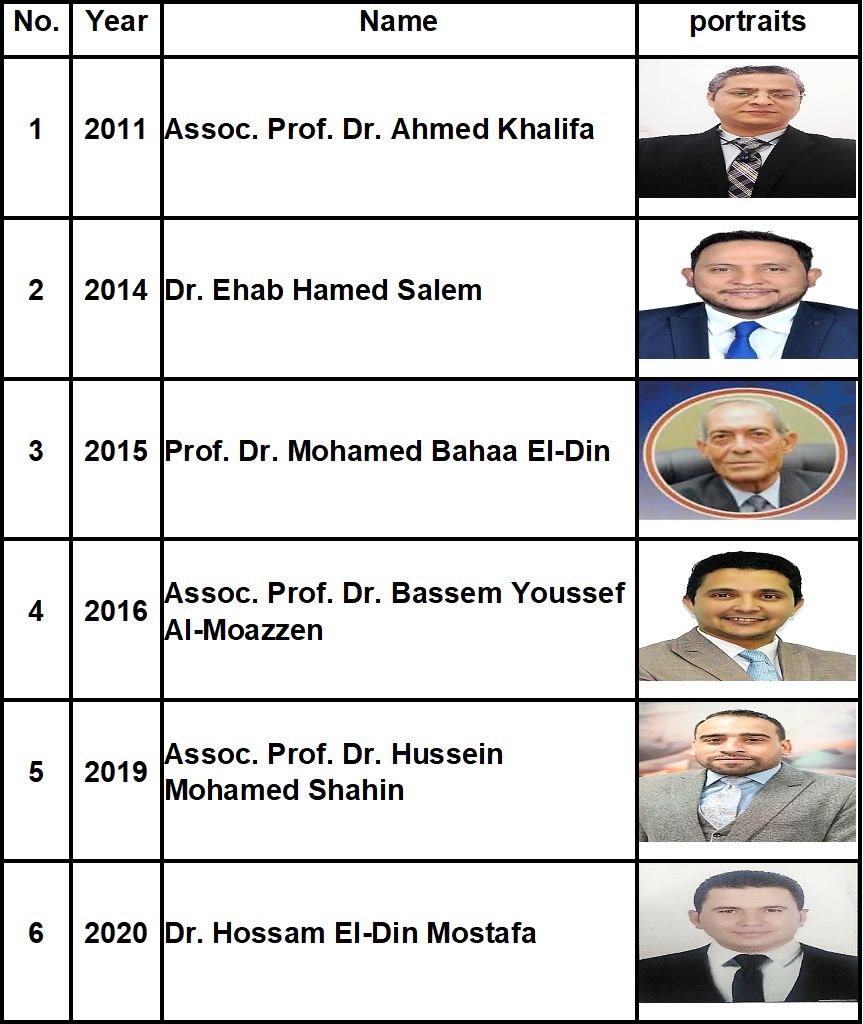
Former Unit Managers

Image
جامعة حلوان

Helwan University strives to be a leading educational and research institution in technology and the arts, and excels in education and sciences according to international quality standards

Important Links
  • Visits 908
جامعة العاصمة